
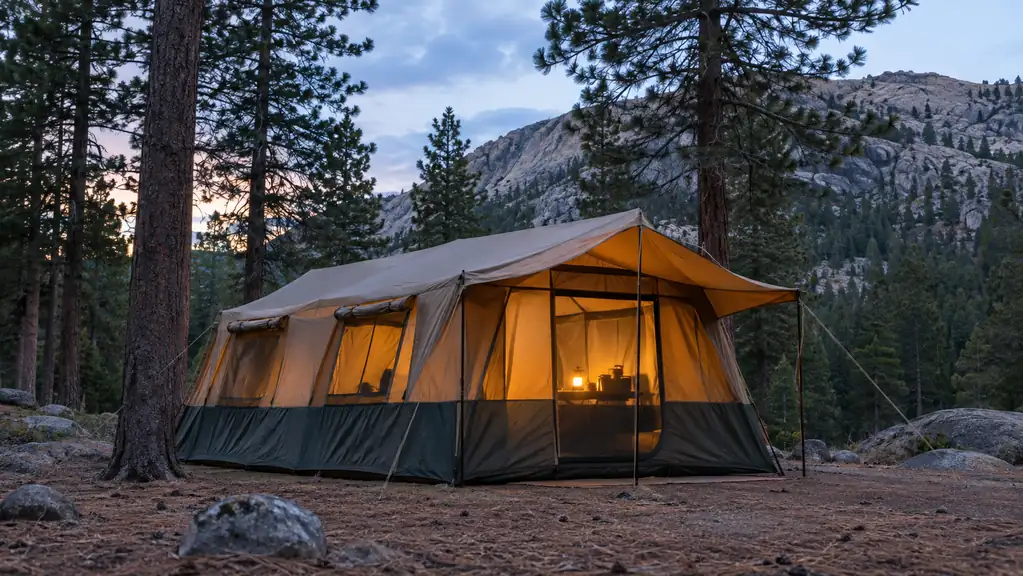
Cabin Tents
CORE Instant Cabin Review: A Long Stretch of Real Camping
Three seasons, roughly 26 nights, one sideways thunderstorm. What actually holds up on the CORE Instant Cabin, and what does not.
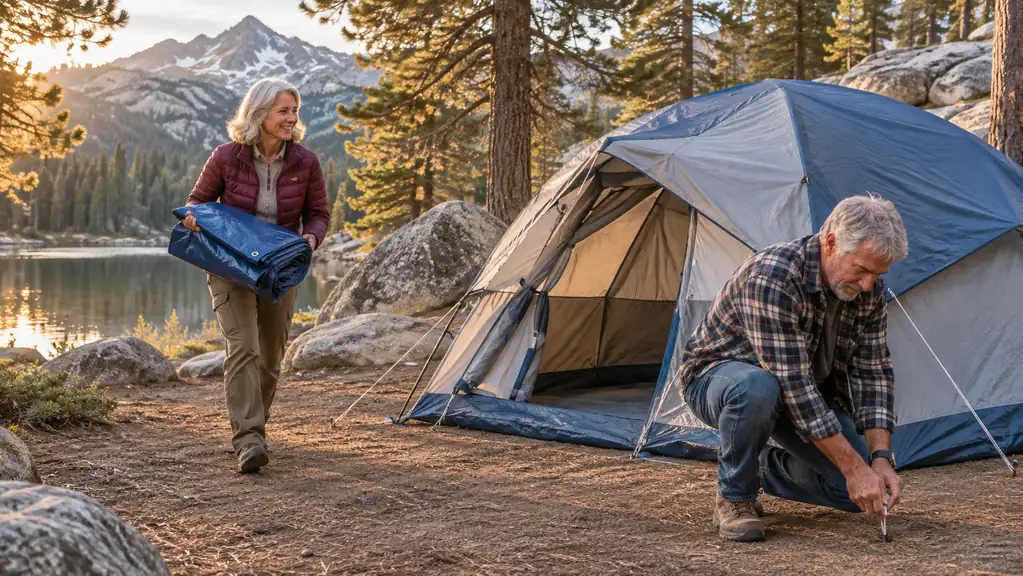
A retired lineman on the tent that went up in under three minutes and stayed put when the wind came off the lake.
Three seasons, roughly 26 nights, one sideways thunderstorm. What actually holds up on the CORE Instant Cabin, and what does not.
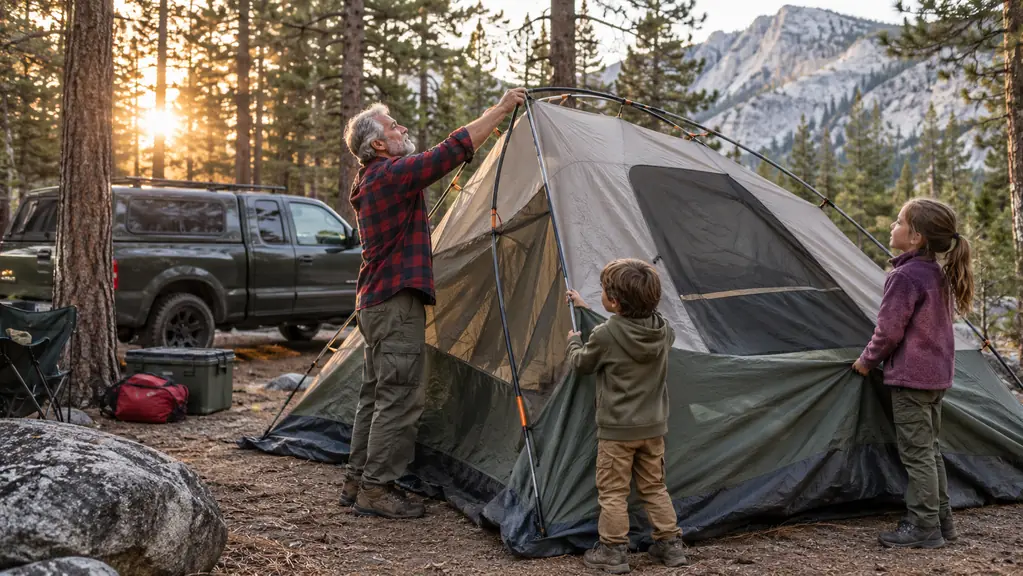
One is a three-room family cabin you can stand up in. The other is the fastest pitch in the campground. I set both up on the same site and slept in each.
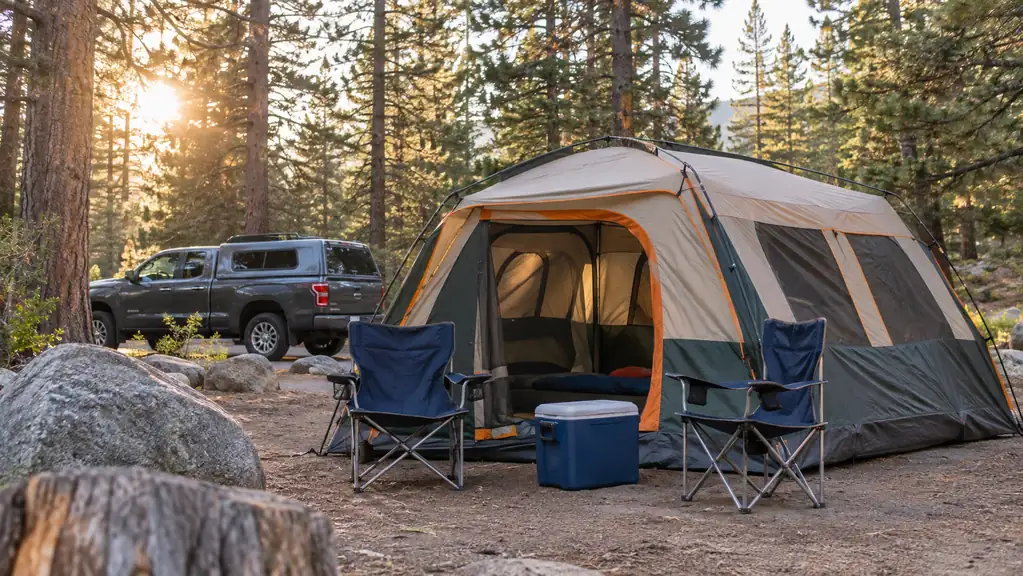
Ten things that actually matter about a big cabin tent, from a 61-year-old camper with a stiff back and a truck full of gear.
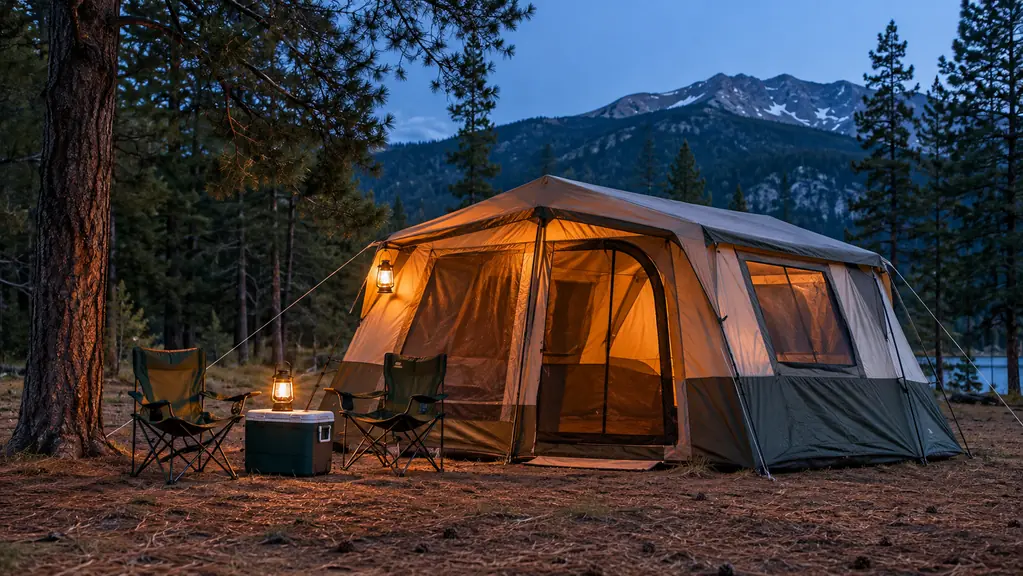
A retired lineman on the tent that went up in under three minutes and stayed put when the wind came off the lake.
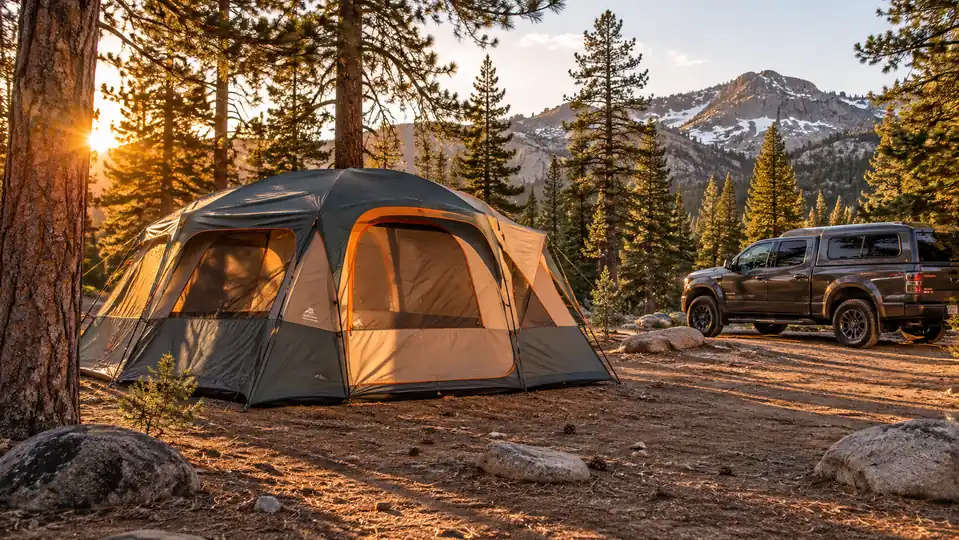
The five steps I actually use to stand up a 14 by 9 cabin tent by myself, in wind, with a bad knee and a back that has opinions.
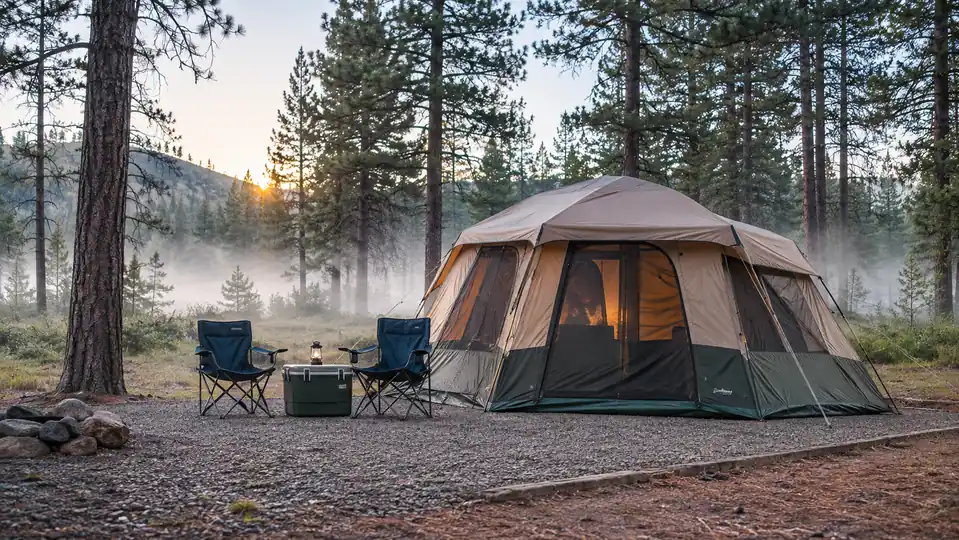
Three seasons in a Sierra campground tent. The setup really is fast, the rain really does stay out, and the sleep number is wishful thinking. Here is the whole picture, including the parts I do not love.
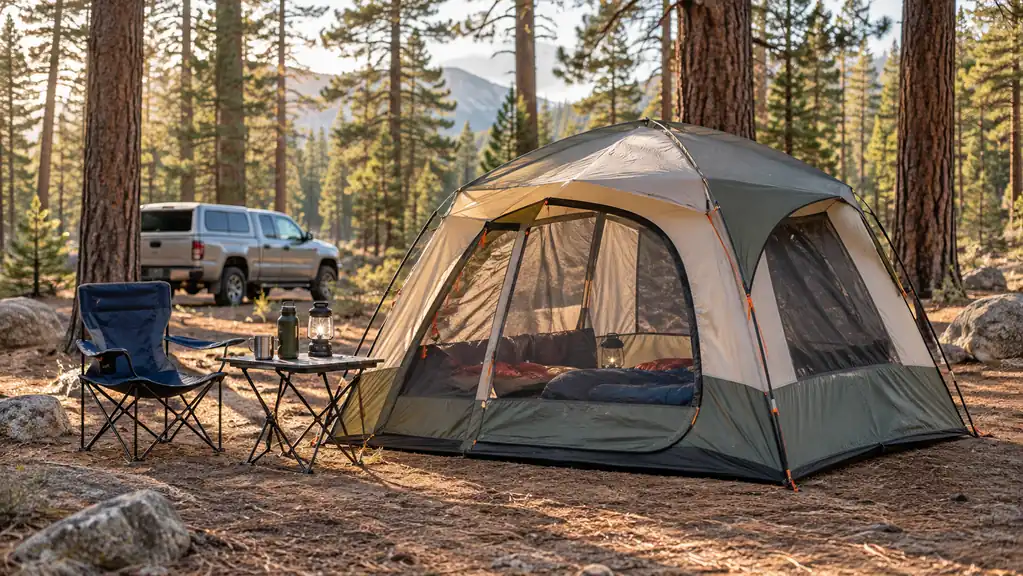
Two seasons, a dozen Sierra trips, one very wet night at Huntington Lake. Here is what a four-person pop-up actually does when you camp in it instead of just setting it up in the yard.
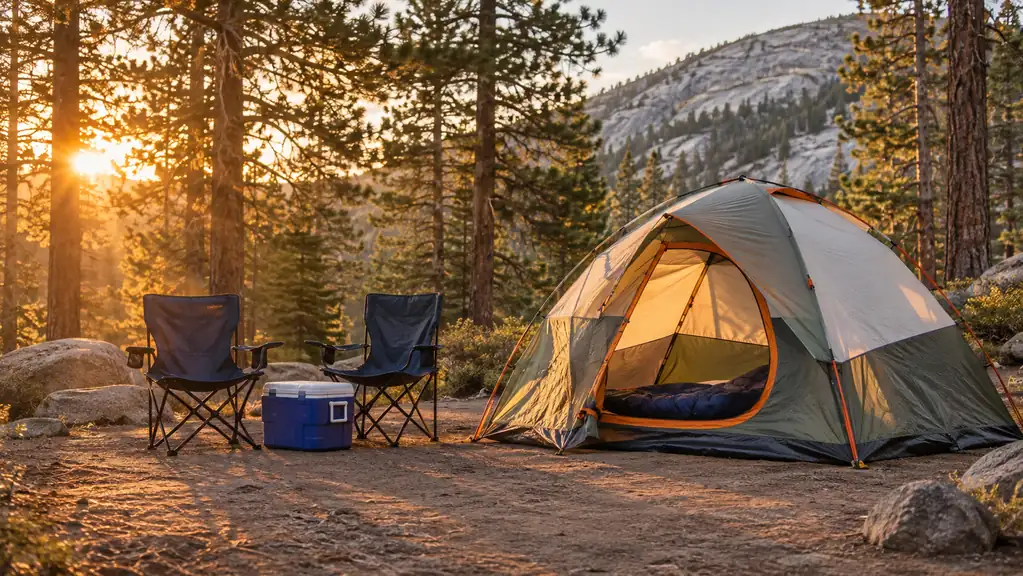
One tent you can pitch in under a minute. One you can stand up in. After a season of trading them back and forth in the Sierra, here is the honest split.
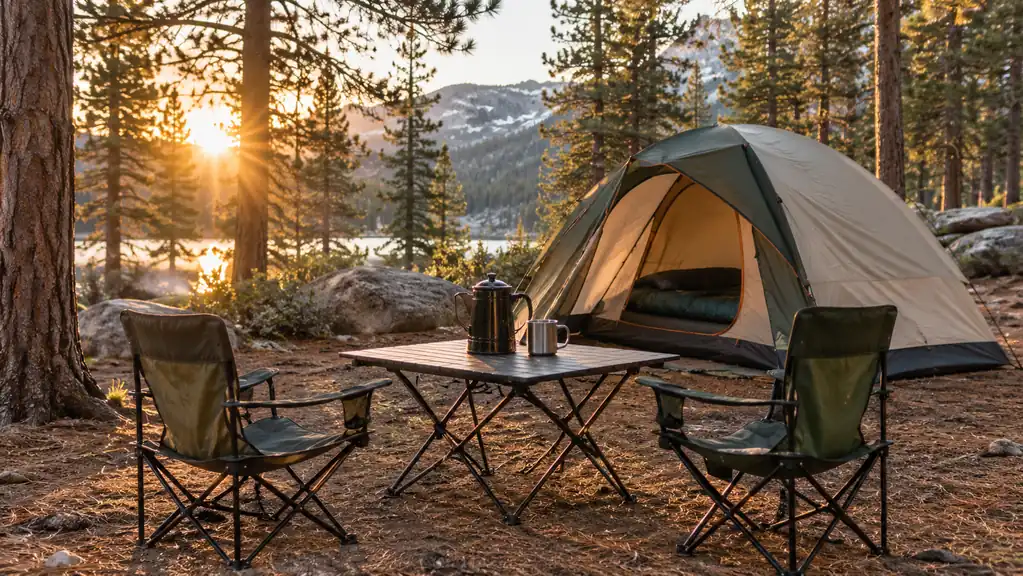
Setup is the part nobody reviews, and it is the part your lower back remembers. Ten plain reasons this style of tent earned a permanent spot behind the seat of my truck.
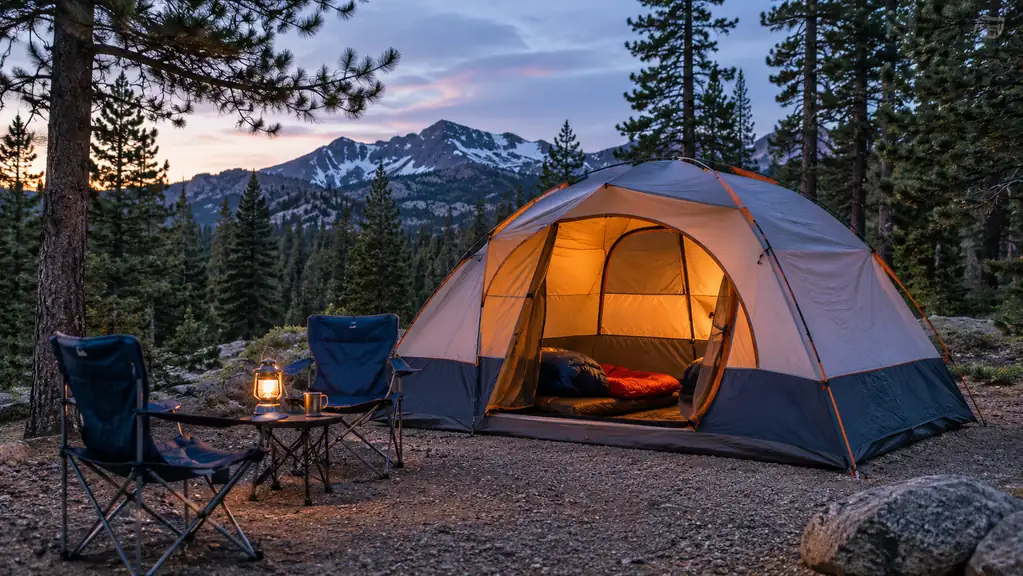
A stiff back, one bad knee, and a July squall at Shaver Lake. What four minutes of setup actually bought me.
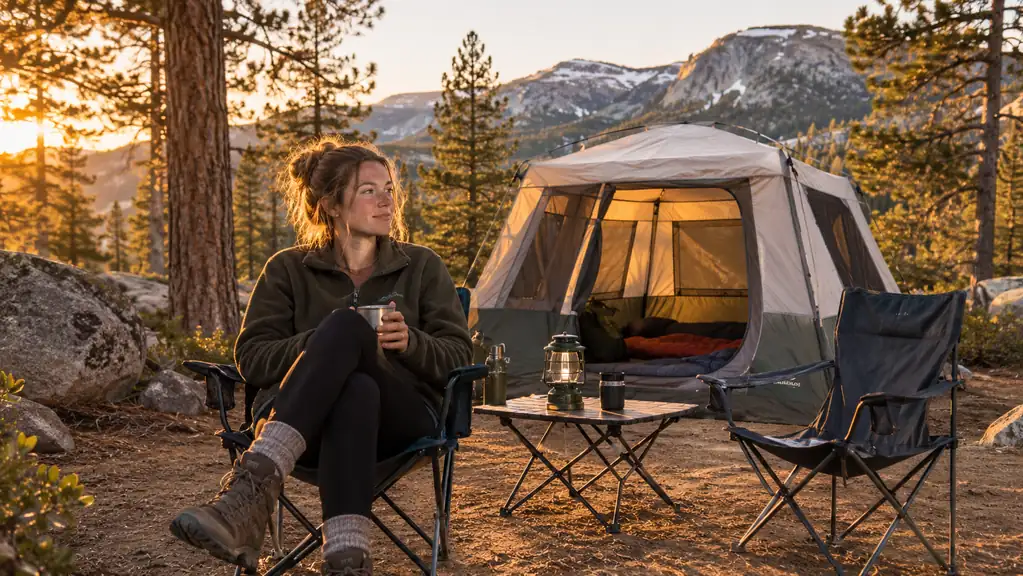
A back-friendly sequence for pitching the Londtren 4 Person Pop Up Tent, from picking the pad to setting the doors for airflow and rain.
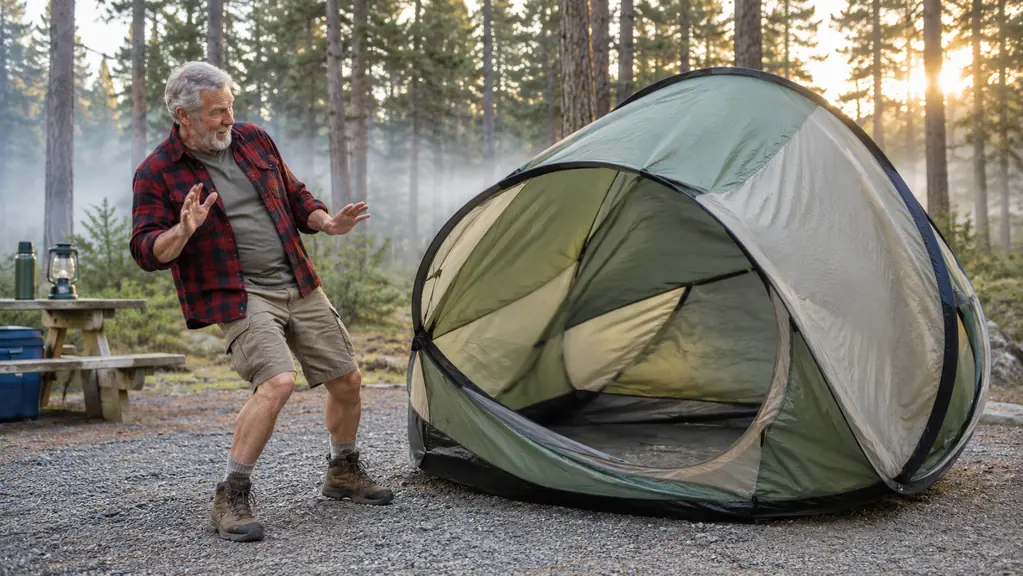
A season of weekends at Shaver, Huntington and one wet state beach, with the folding part included.
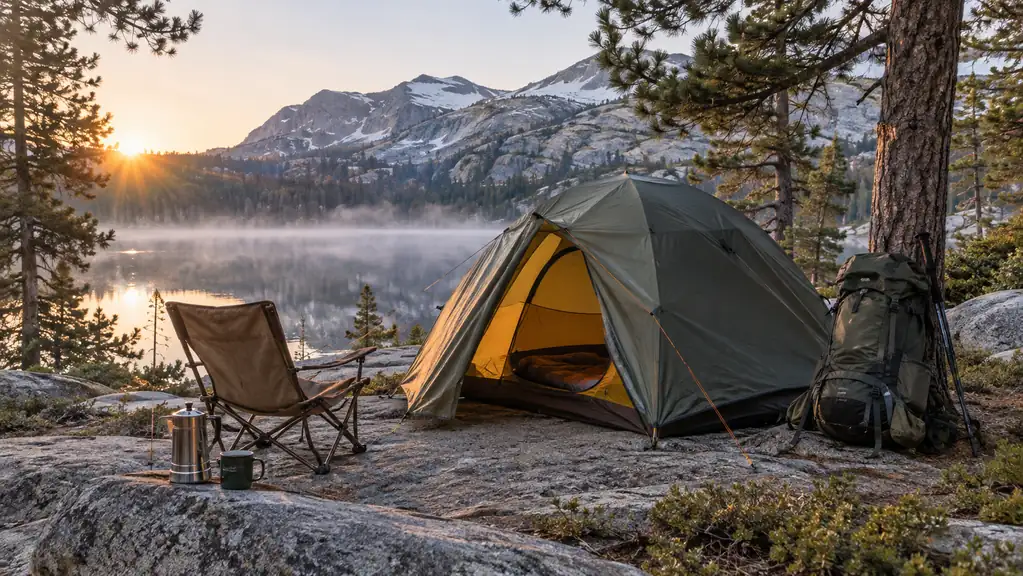
Forty nights of Sierra rain, lakeside wind, and one wet beach later: here is what held up on the Cloud-Up 2, what did not, and who should walk past it.
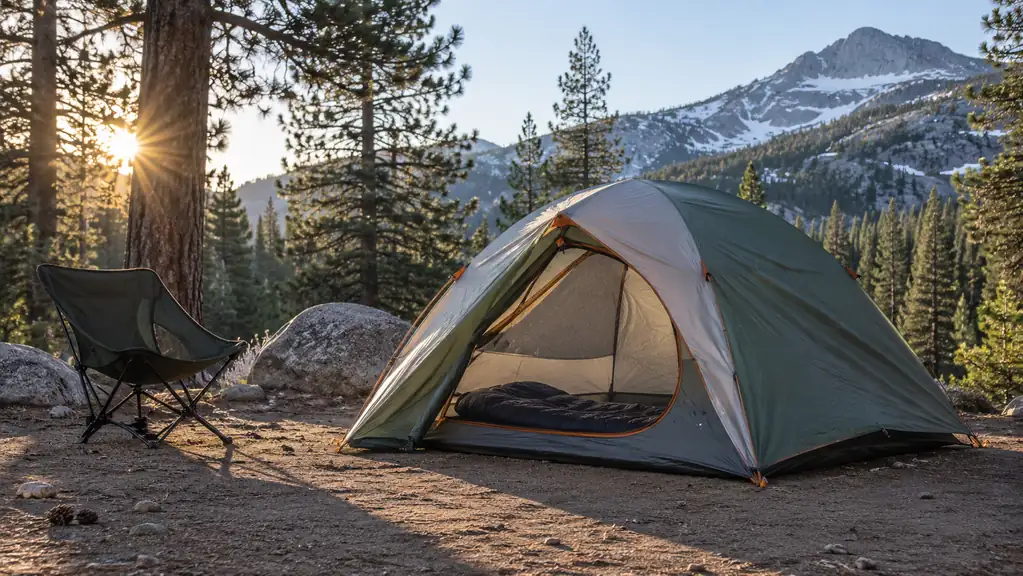
Two tents I have pitched with my own hands, and the one question that actually decides it: how many nights will you really spend on the ground this year?
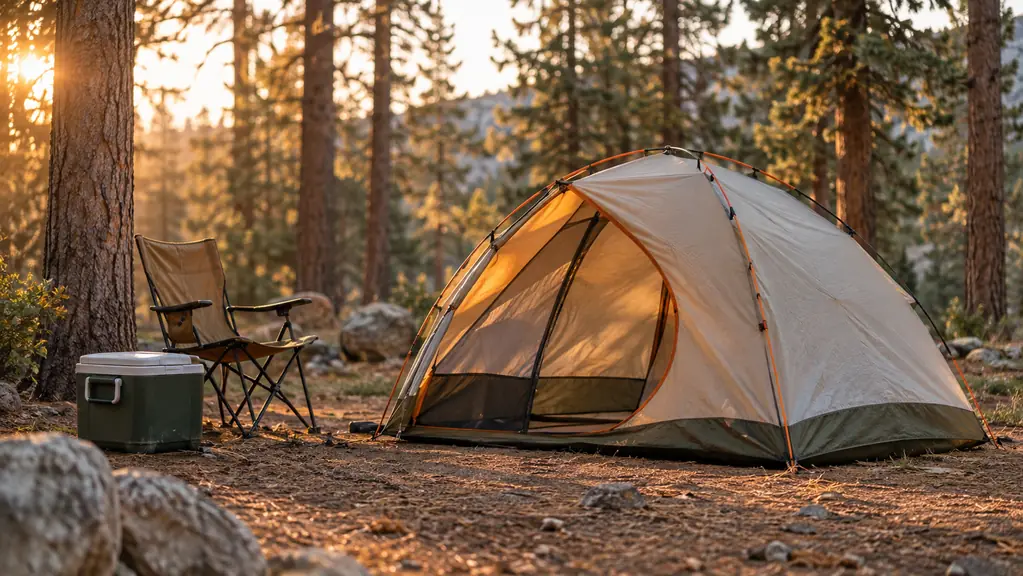
Ten plain reasons, from a 61-year-old camper with a bad back, why a light free-standing tent beats the heavy dome you have been hauling around for one-night trips.
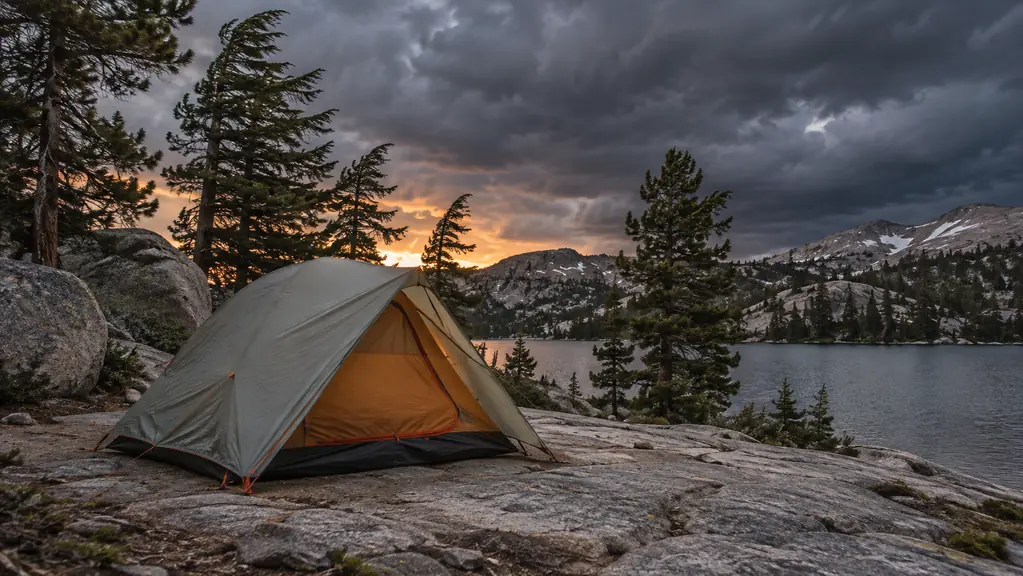
A ten percent chance of rain, a lake that went from glass to chop, and a four pound tent I did not expect much from.
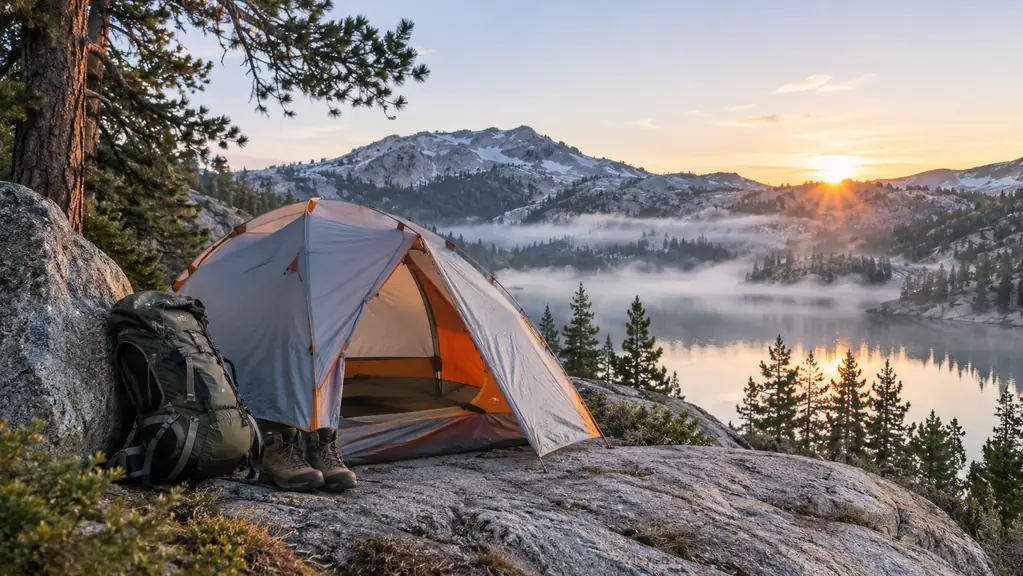
Five steps, one bad back, and a tent that actually goes back in the bag it came in.
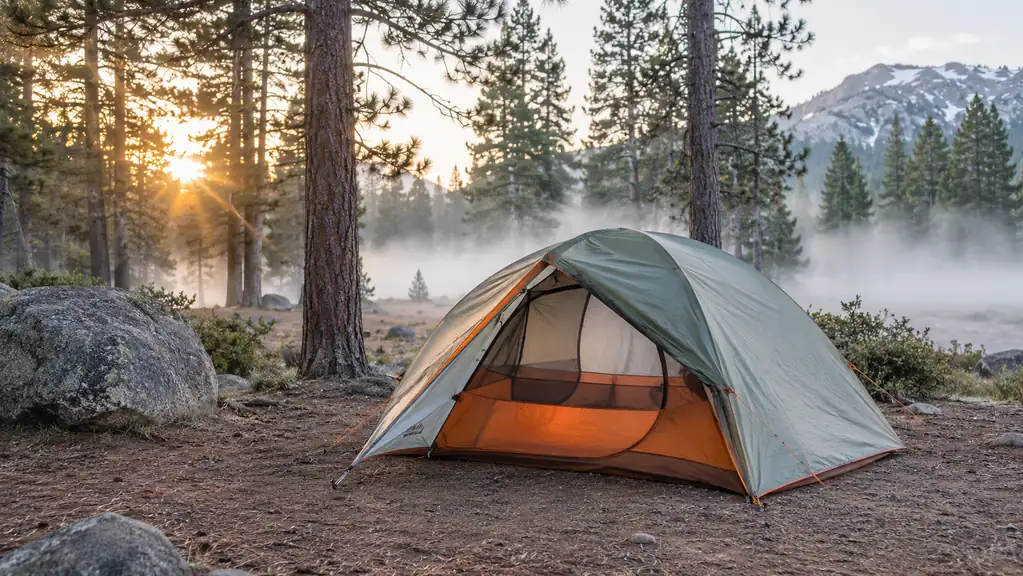
Two seasons, twenty odd nights in the Sierra, one hard thunderstorm. The good, the irritating, and the one number that should decide it for you.
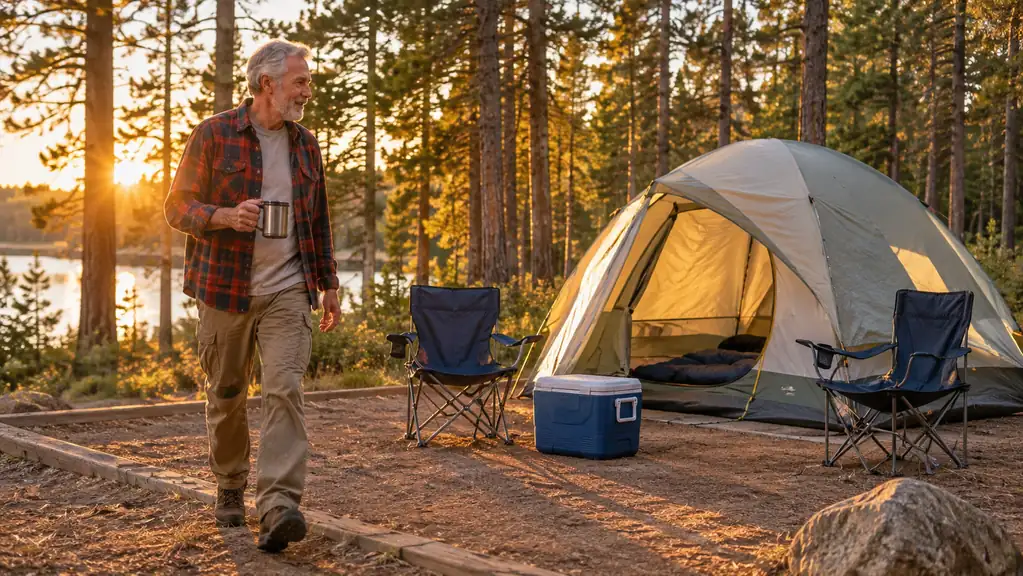
Three seasons, twenty-some nights, one Sierra thunderstorm. What holds up on the Coleman Sundome, what wears first, and who should buy something else.
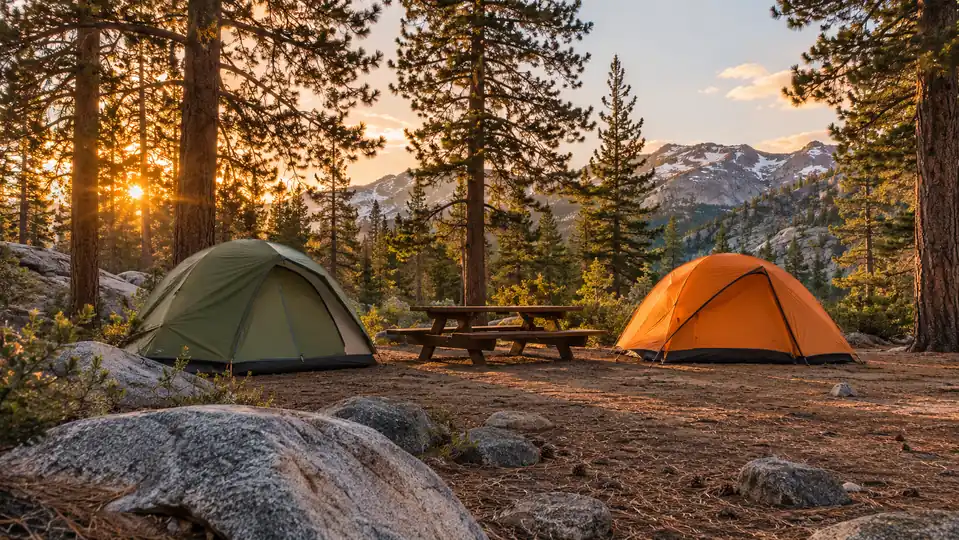
Two dome tents, two different jobs. One pitches in about ten minutes and packs to nine pounds. The other gives you room to stand up. I pitched both and here is the honest split.
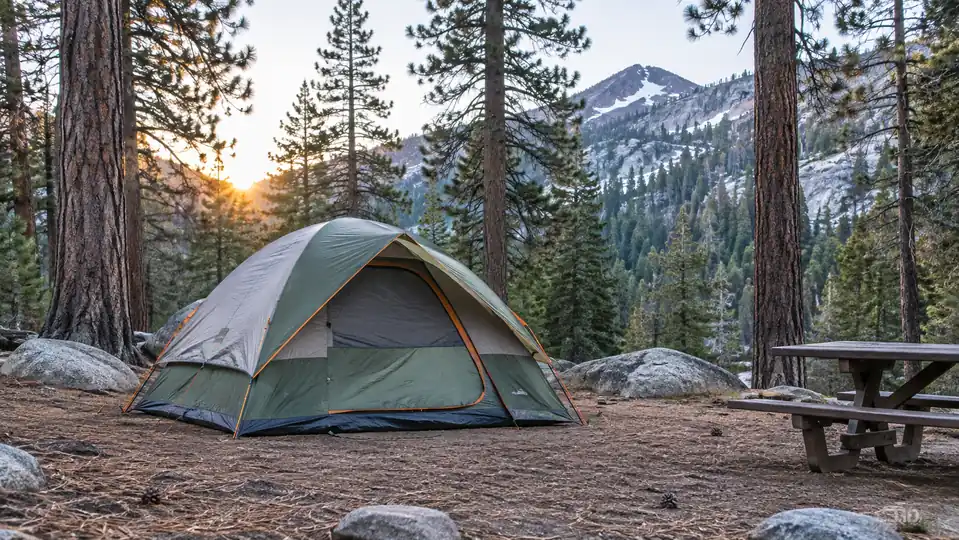
Ten plain reasons, from a man who has spent a lot of nights listening to the pines, why the dome shape is the one that keeps its head in bad weather.
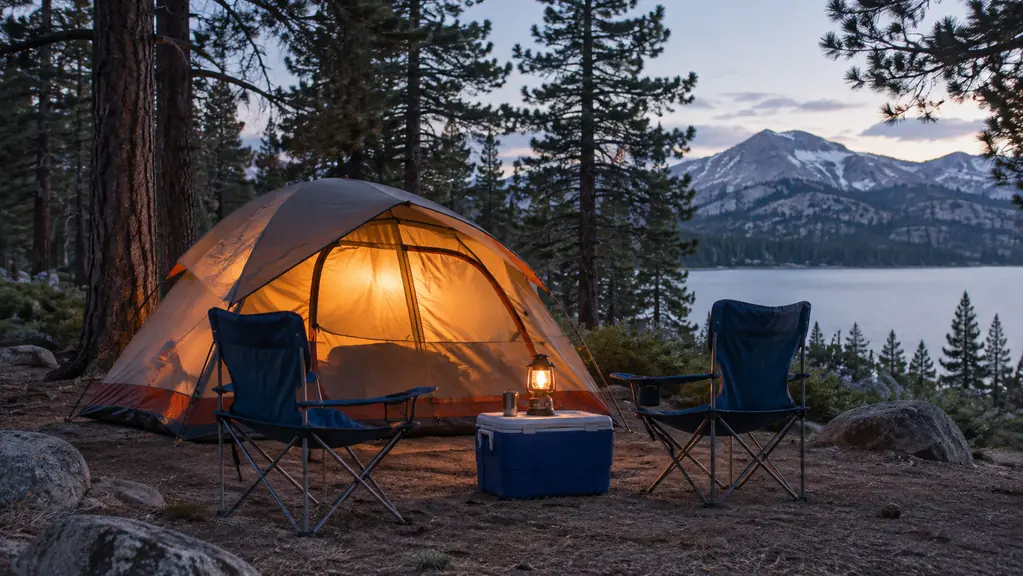
I bought it because it was quick to pitch. I kept it because of what happened at twenty to three in the morning at Shaver Lake.
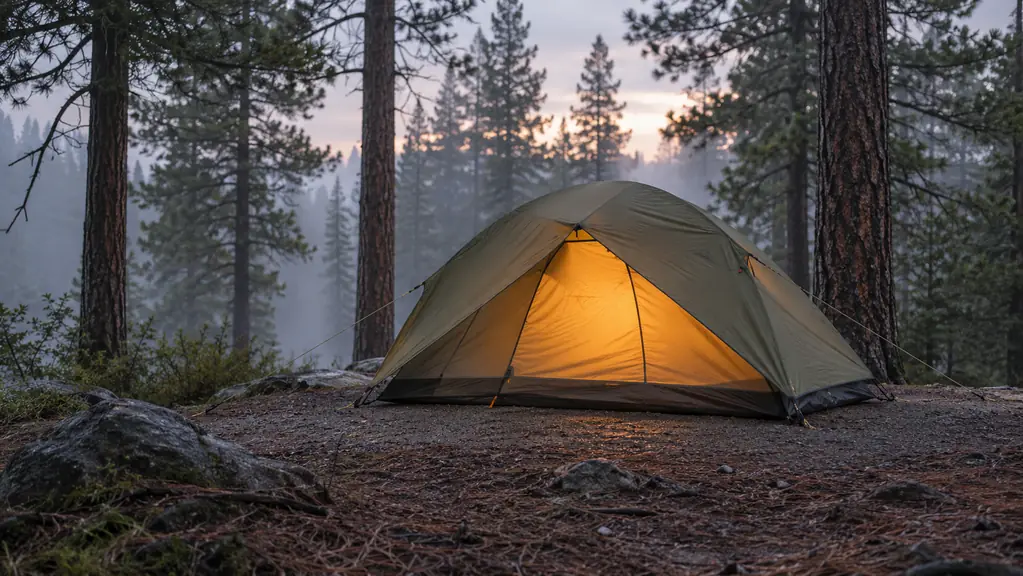
Five things I do before the first drop falls, learned across too many wet nights in the Sierra.
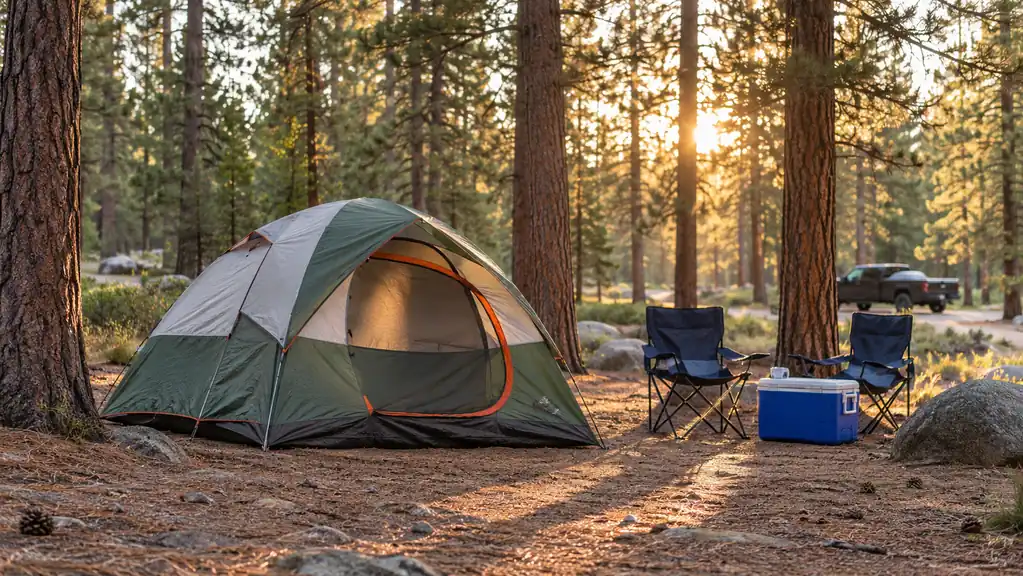
Six seasons of Sierra trips in a tent that costs less than a tank of gas and asks almost nothing of my back. Here is the part the listing leaves out.
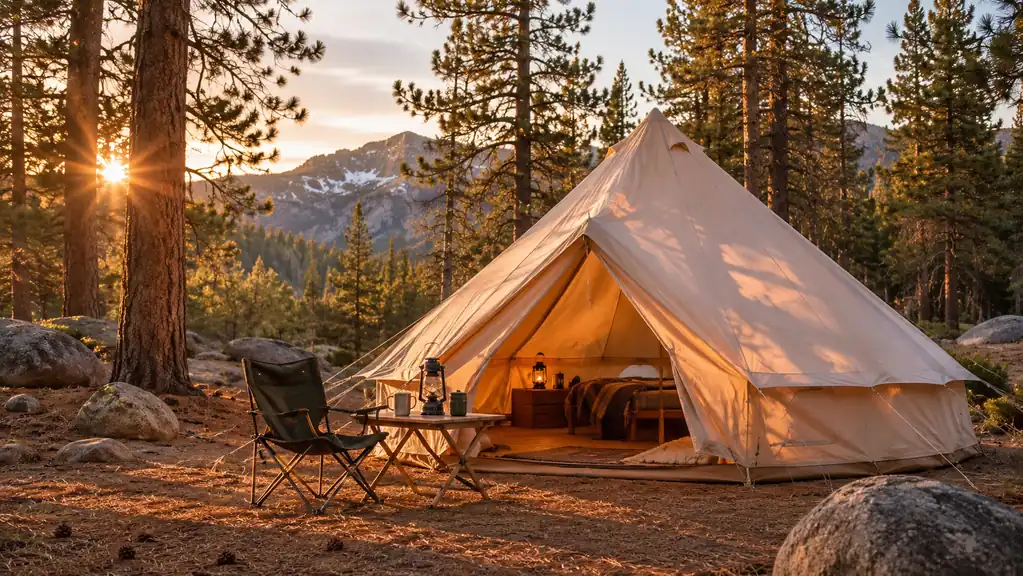
Three seasons, six trips and two Sierra storms in a canvas tent I can pitch alone without kneeling in the dirt.
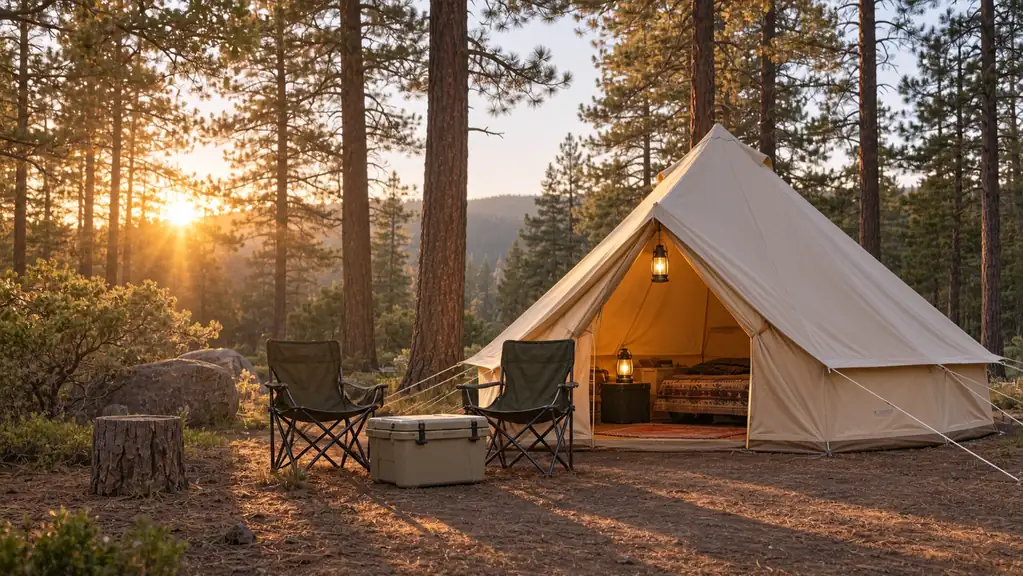
A bell tent and a wall tent do two different jobs. Here is which one fits the way you actually camp, from someone who has pitched both of them in the dark.
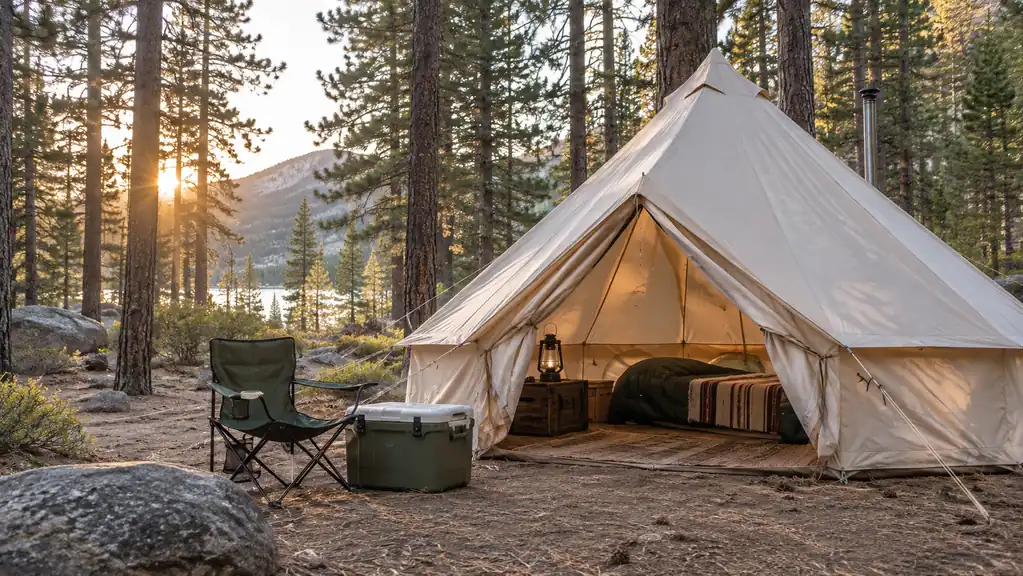
Why the heavy fabric tent your grandfather used is often the cooler place to sleep in July, and what to check before you buy one.
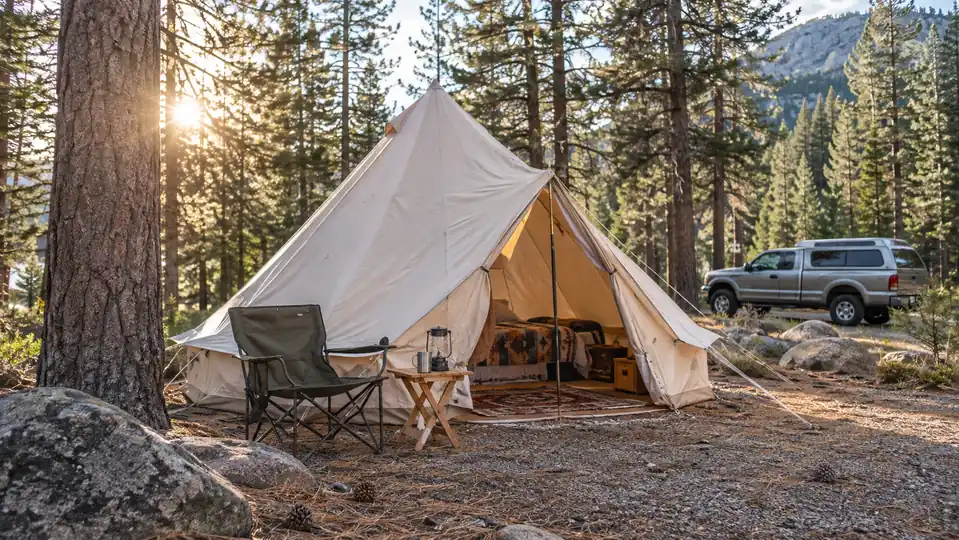
Twelve years, four tents, and one bad knee. Here is the night a canvas bell tent finally made camping restful again.
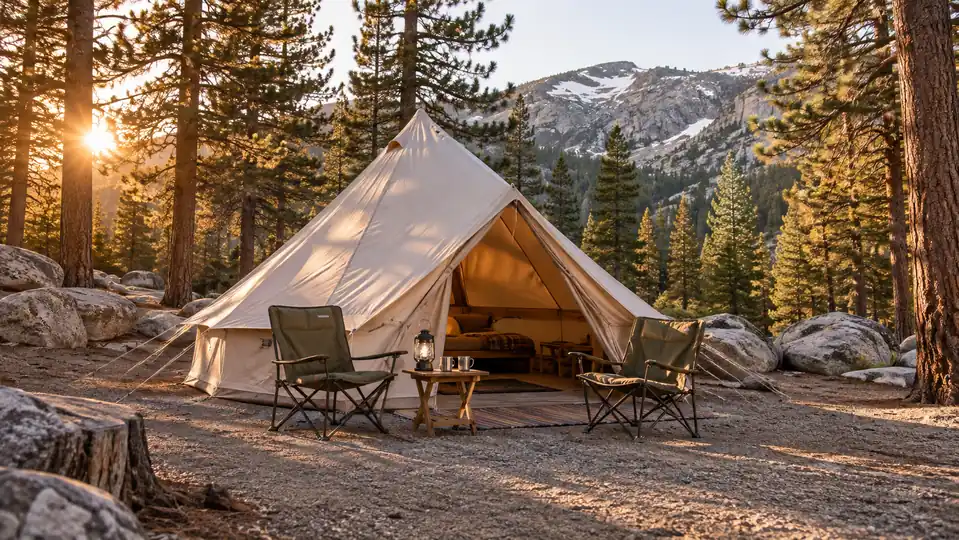
Canvas does not ask for much. It asks at three specific moments, and if you miss them it never lets you forget. Here is the routine I use on a 60 pound bell tent, done standing up, with a bad back and one bad knee.
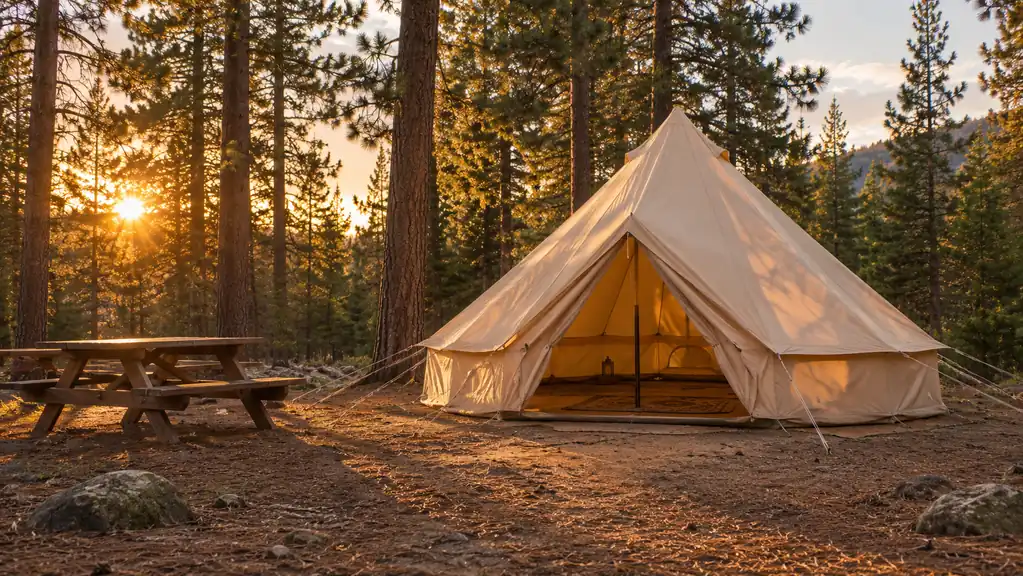
Two summers, six trips, one foggy beach and a lot of wind. Here is what the Regatta does well, what it does not, and the condensation mistake I made on night one.
Three seasons, roughly 26 nights, one sideways thunderstorm. What actually holds up on the CORE Instant Cabin, and what does not.
Three seasons in a Sierra campground tent. The setup really is fast, the rain really does stay out, and the sleep number is wishful thinking. Here is the whole picture, including the parts I do not love.
Two seasons, a dozen Sierra trips, one very wet night at Huntington Lake. Here is what a four-person pop-up actually does when you camp in it instead of just setting it up in the yard.
A season of weekends at Shaver, Huntington and one wet state beach, with the folding part included.
Forty nights of Sierra rain, lakeside wind, and one wet beach later: here is what held up on the Cloud-Up 2, what did not, and who should walk past it.
Two seasons, twenty odd nights in the Sierra, one hard thunderstorm. The good, the irritating, and the one number that should decide it for you.
Three seasons, twenty-some nights, one Sierra thunderstorm. What holds up on the Coleman Sundome, what wears first, and who should buy something else.
Six seasons of Sierra trips in a tent that costs less than a tank of gas and asks almost nothing of my back. Here is the part the listing leaves out.
Three seasons, six trips and two Sierra storms in a canvas tent I can pitch alone without kneeling in the dirt.
Two summers, six trips, one foggy beach and a lot of wind. Here is what the Regatta does well, what it does not, and the condensation mistake I made on night one.